
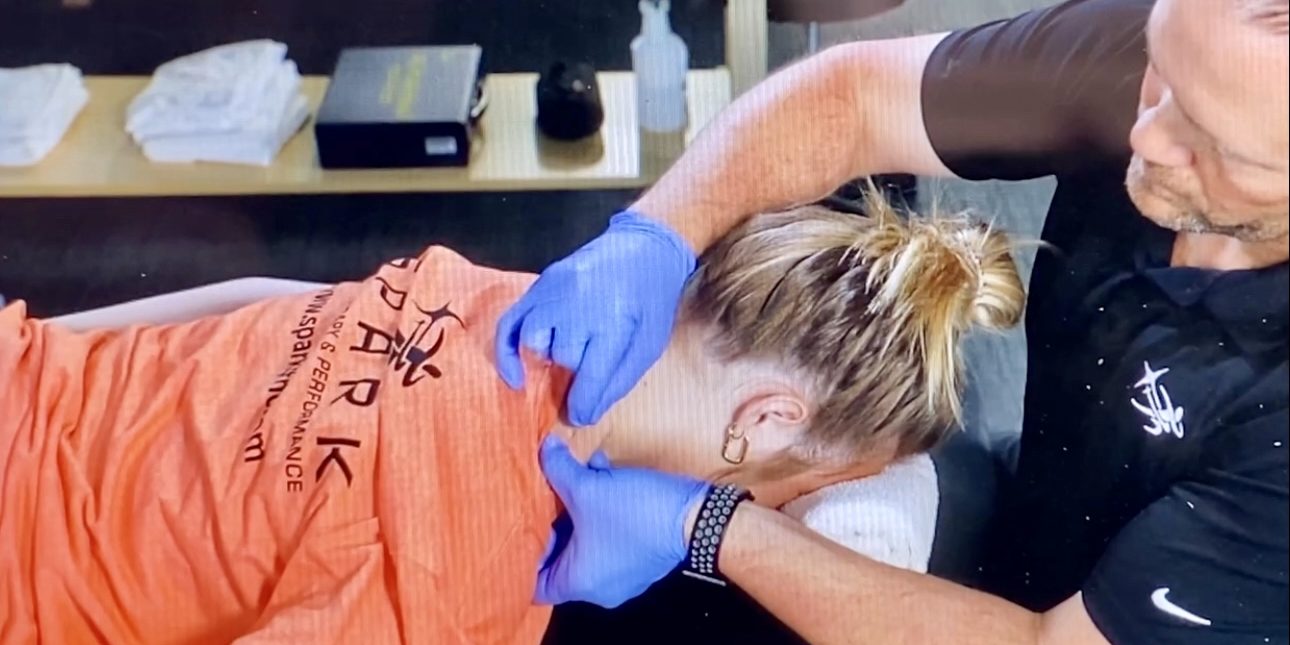
Overview of Dry Needling
Dry needling is a therapeutic technique gaining popularity in recent years, particularly among athletes, physical therapists, and individuals seeking relief from chronic pain and musculoskeletal issues. It involves the insertion of thin needles into specific trigger points or areas of tight muscle bands, without injecting any substance (hence the term “dry”). This technique is distinct from acupuncture, though they both utilize thin needles; dry needling focuses on targeting trigger points and muscular dysfunction, while acupuncture is rooted in traditional Chinese medicine concepts like meridians and energy flow.
What Does It Do?
The primary goal of dry needling is to alleviate pain and improve range of motion by releasing muscle tension and promoting healing. This is achieved through several mechanisms. Firstly, the insertion of needles stimulates the nervous system, triggering the release of endorphins, the body’s natural painkillers, which can help reduce pain perception. Additionally, it can also stimulate blood flow to the affected area, promoting the delivery of oxygen and nutrients essential for tissue repair and waste removal.
How Does It Work?
One of the key aspects of dry needling is its ability to target trigger points. These are hyperirritable spots within a taut band of skeletal muscle that are painful upon compression and can cause referred pain or sensations in other parts of the body. By inserting needles directly into these trigger points, practitioners aim to deactivate them, thereby relieving pain and restoring normal muscle function. This can be particularly beneficial for individuals suffering from conditions such as myofascial pain syndrome, tension headaches, fibromyalgia, or sports-related injuries.

Other Benefits of Dry Needling
Furthermore, dry needling can also help address neuromuscular dysfunction. Chronic muscle tension or repetitive strain can lead to imbalances in muscle activation patterns, contributing to pain and reduced performance. By targeting specific muscles or muscle groups with dry needling, therapists can help restore proper neuromuscular function, allowing for more efficient movement patterns and reduced risk of injury.
How Effective Is It?
The effectiveness of dry needling as a therapeutic intervention is supported by a growing body of research. Studies have demonstrated its efficacy in reducing pain and improving function in various musculoskeletal conditions, including neck pain, low back pain, shoulder impingement syndrome, and knee osteoarthritis. Additionally, many individuals report immediate relief or improvement in symptoms following a dry needling session, making it an attractive option for those seeking quick and effective pain relief.
Is Dry Needling Right for You?
It’s important to note that dry needling should only be performed by qualified healthcare professionals, such as physical therapists, who have received specialized training in the technique. Additionally, like any medical intervention, dry needling may not be suitable for everyone and should be approached with caution, particularly for individuals with certain medical conditions or sensitivities.
Conclusion
In conclusion, dry needling is a safe and effective therapeutic technique for relieving pain, improving muscle function, and enhancing overall well-being. It can be used in conjunction with traditional physical. Therapy or as a stand alone procedure. Whether you’re an athlete looking to optimize performance, someone suffering from chronic pain, or simply seeking relief from muscular tension, dry needling may offer a valuable solution to help you achieve your health and wellness goals.