
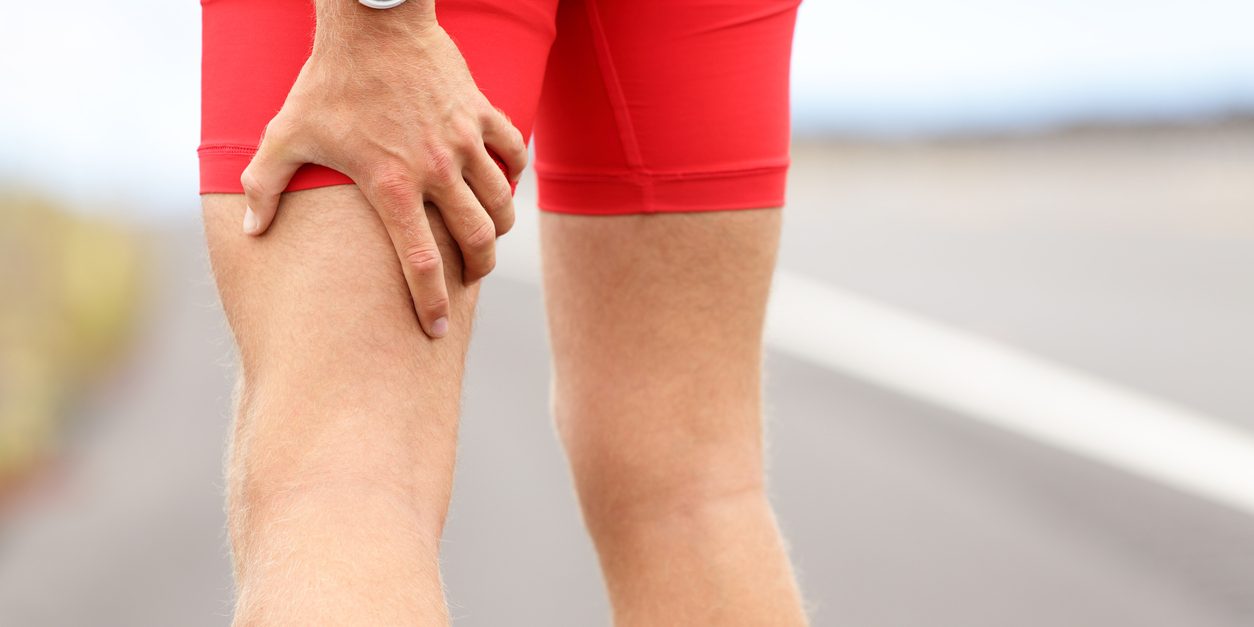
Muscle strains—commonly seen in athletes and recreational sport participants—pose a significant challenge not just in the acute recovery phase but also in the prevention of recurrence. From a sports physical therapy standpoint, the goal is to restore full function, expedite return to sport (RTS) safely, and reduce the risk of re-injury.
Why Muscle Strains Occur
Muscle strains happen when muscle fibers are overloaded (either eccentrically or concentrically), often during rapid acceleration, deceleration, abrupt change in direction, or when stretched under load (for example in sprinting or kicking). Once injured, the muscle undergoes structural and morphological changes—scar tissue, altered neuromuscular control, and at times persistent deficits in strength and length.
A recent narrative review notes that although athletes may return to sport in as little as 15 days, the risk of re-rupture spans widely (0 %–70 %) across studies. (PubMed Central) Given that background, a physical therapist must guide the athlete through phases of recovery, progressive loading, and specific prevention strategies.
Rehabilitation Strategies
Below is an outline of rehab strategies, tailored from sports-PT evidence.
Stage 1 – Acute/Protection Phase (Days 0–7 or until pain/control achieved)
- Initial management: rest as needed, ice/cryotherapy, compression, and elevation to control swelling and pain.
- Gentle pain-free range of motion (ROM) and isometric activation as tolerated.
- Avoid full high-load activity, but initiate sub-maximal muscle activation to maintain neuromuscular engagement.
- Physical therapy may include manual therapy or gentle mobilization to maintain soft-tissue mobility and reduce inhibition. (Note: manual therapy is adjunctive; the emphasis remains on active loading eventually.) (PubMed Central)
- Avoid aggressive stretching in this early phase
Stage 2 – Early Loading/Repair Phase (approx Days 3/7 → ~2–3 weeks)
- Begin progressive loading: light concentric and eccentric work at shorter muscle length, gradually increasing based on pain/tightness.
- Emphasize muscle lengthening (especially eccentric at longer lengths) because evidence suggests long-length eccentric loading helps reduce time to return to sport. (PubMed)
- Introduce trunk/core stabilization and neuromuscular control exercises (bridge variations, single-leg stance, pelvic stability) to support functional movement. A meta-analysis found that strengthening with trunk stabilization and agility significantly reduced re-injury rates(but didn’t necessarily reduce time to RTS). (PubMed)
- Continue to monitor pain, swelling, and functional capacity (e.g., ability to walk/run pain-free and submaximal sport-specific movement).
Stage 3 – Advanced Loading/Functional Phase (Weeks ~3–6 and beyond, depending on severity)
- Progress to higher intensity eccentric training at longer muscle lengths (for e.g., Nordic hamstring-type exercise if hamstring strain).
- Introduce plyometric drills, change-of-direction drills, and sport-specific movements.
- Monitor load: volume, intensity, and frequency. Use a graduated progression rather than jumping straight back into full sport.
- Continue neuromuscular training: dynamic stabilization, single-leg hops, and reactive agility.
- As the athlete improves, incorporate full-speed running, sprinting, accelerations/decels, cutting, and sport-specific drills, with supervision.
Stage 4 – Return-to-Sport/Prevention Phase
- Decision to return to sport should be based on objective criteria: full strength (often ≥90-95 % of contralateral side), symmetric performance, pain-free high-speed movement, sport-specific capacity (e.g., sprint time, hop tests, etc).
- Monitor for readiness, and only when criteria are met gradually re-enter full participation. This should include a graduated practice plan prior to game play. The review noted that delaying RTS (when guided appropriately) may reduce re-injury risk. (PubMed Central)
- Prevention strategies: implement routine eccentric strengthening, neuromuscular control programs, and manage training-load (avoid sudden spikes). Risk factor reviews highlight that previous injury is a major risk factor for re-injury; thus, return-to-play ≠ end of prevention work. (PubMed)
Recovery Timelines (General Guidance)
- Mild muscle strain (Grade I): often 2-4 weeks to RTS (if rehab is optimal).
- Moderate strain (Grade II): typically 4-8 weeks, sometimes longer depending on location, muscle, and sport demands.
- Severe strain (Grade III or tendon involvement): may be 3 + months, and sometimes require further specialist input.
- In the narrative review of muscle strains, mean time to return to sport ranged from 15 to 86 days across studies; re-injury rates varied widely. (PubMed) While timelines are a helpful guide, individual rehabs vary greatly and full functional readiness is more important than the number of days.
How to Avoid Re-injury
- Eccentric strength training: Especially at longer muscle lengths; strong evidence that this reduces strain recurrence. (PubMed)
- Neuromuscular & core control: Effective core/trunk stabilization and neuromuscular training (balance, single-leg work, agility) reduce re-injury risk. (PubMed)
- Load management: Avoid abrupt spikes in training load (volume/intensity). Gradual progression and monitoring of fatigue, technique, workload will mitigate risk. (PubMed)
- Return-to-sport criteria: Use objective criteria rather than just time-based. Ensure athlete demonstrates readiness across strength, speed, control, sport-specific demands.
- Continued maintenance: Even after returning, maintaining eccentric strength, neuromuscular control, and monitoring fatigue/training load is vital. Many re-injuries occur within the first year. (UKY Scholars)
- Address modifiable risk factors: e.g., strength imbalances, poor flexibility/muscle length, prior history. Some risk factors (age, previous injury) are non-modifiable but should signal higher vigilance. (PubMed)
Conclusion
From a sports physical therapy perspective, managing a muscle strain is not simply about “waiting until pain goes away” then returning to sport. It requires a structured progression: initial protection and pain control, progressive loading (especially eccentric at longer lengths), neuromuscular training, functional/sport-specific preparation, objective return-to-sport criteria, and ongoing prevention strategies.
Recovery timelines vary widely (from a few weeks to several months) depending on severity, muscle involved, athlete’s status and adherence to rehab. Crucially, because of the high risk of re-injury, the return-to-sport phase should be treated as part of the rehab continuum rather than its end. By addressing strength, control, load-management and readiness, the physical therapist helps the athlete not only recover—but return stronger and more resilient.
References
- Wulff MW, Mackey AL, Kjær M, Bayer ML. Return to Sport, Reinjury Rate, and Tissue Changes after Muscle Strain Injury: A Narrative Review. Trans Sports Med. 2024;2024:2336376. (PubMed Central)
- Short S, Tuttle M, Youngman D. A Clinically-Reasoned Approach to Manual Therapy in Sports Physical Therapy. Int J Sports Phys Ther. 2023 Feb;18(1):262-271. (PubMed Central)
- Therapeutic Exercises and Modalities in Athletes With Acute Hamstring Injuries: A Systematic Review and Meta-analysis. (2022/2023) – time to return and reinjury prevention via trunk/stabilization/lengthening. (PubMed)
- Managing Lower Limb Muscle Reinjuries in Athletes: From Risk Factors to Return-to-Play Strategies. Sport Med (2023) review. (PubMed)