

Introduction to ACL Injury Prevention
In the world of sports, athletes constantly push their physical boundaries, striving for peak performance. However, amidst the pursuit of excellence, injuries like ACL (Anterior Cruciate Ligament) tears can disrupt careers and dreams. These injuries are not only painful but can also lead to prolonged recovery periods, impacting an athlete’s ability to compete at their best. Fortunately, a proactive approach to ACL injury prevention can significantly reduce the risk of such setbacks. In this blog, we’ll delve into effective strategies and exercises aimed at safeguarding athletes from ACL injuries.
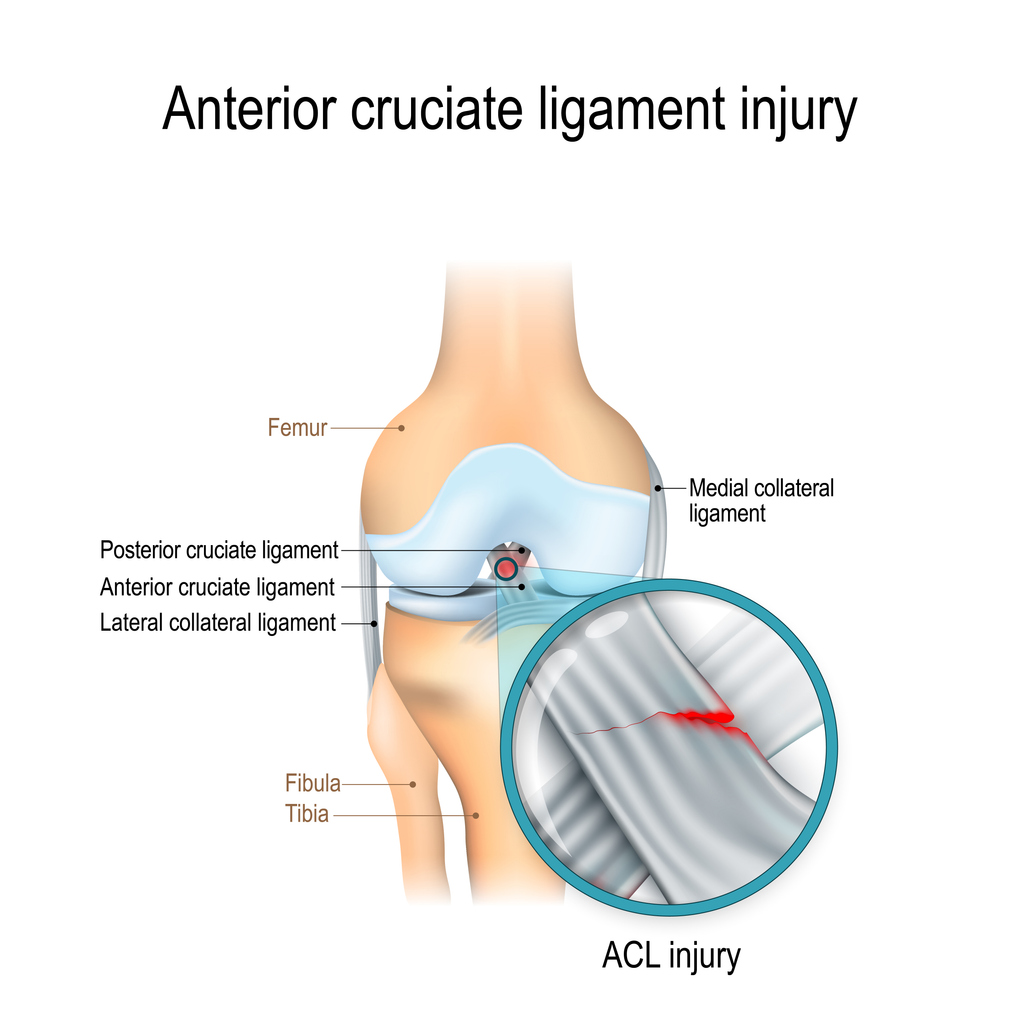
Understanding ACL Injuries:
The ACL plays a crucial role in stabilizing the knee joint during movements like cutting, pivoting, and landing. Injuries to this ligament often occur during rapid deceleration, sudden changes in direction, or direct impact to the knee. Athletes participating in sports like soccer, basketball, football, and skiing are particularly susceptible to ACL tears due to the dynamic nature of these activities.
Preventive Measures:
- Strength and Conditioning: Building strength in the muscles surrounding the knee joint is paramount for ACL injury prevention. Focus on exercises targeting the quadriceps, hamstrings, calves, and glutes. Incorporate resistance training, plyometrics, and balance exercises into your routine to enhance overall stability and control.
- Proper Technique: Emphasize proper landing and cutting techniques to minimize stress on the ACL. Teach athletes to land softly with bent knees and hips during jumps, reducing the impact force on the knees. Additionally, encourage athletes to maintain proper alignment during cutting and pivoting movements to prevent excessive strain on the ligaments.
- Flexibility and Mobility: Maintaining adequate flexibility and mobility in the lower body is essential for preventing ACL injuries. Incorporate dynamic movements and stretching targeting the hip flexors, quadriceps, hamstrings, and calves into warm-up and cool-down routines. Improved flexibility can help athletes move more efficiently and reduce the risk of injury.
- Balance and Proprioception: Enhancing proprioception, or the body’s awareness of its position in space, is crucial for injury prevention. Integrate balance training exercises such as single-leg stands, dynamic reaching, and reactive balance into workouts. These exercises help athletes develop better coordination and control, reducing the likelihood of ACL injuries.
- Core Strengthening: A strong core is the foundation of athletic performance and injury prevention. Incorporate exercises that target the abdominals, obliques, and lower back to improve core stability and reduce excessive stress on the lower extremities. Core strengthening exercises can also enhance overall body control and alignment, mitigating the risk of ACL injuries.
- Gradual Progression: Avoid sudden spikes in training intensity or volume, as these can increase the risk of overuse injuries, including ACL tears. Implement a gradual progression plan that allows athletes to build strength, endurance, and skill over time while minimizing the risk of ACL injury. Listen to your body and prioritize rest and recovery to prevent burnout and overtraining.
ACL injuries can be devastating for athletes, both physically and mentally. However, by implementing a comprehensive ACL injury prevention program that addresses strength, technique, flexibility, balance, core stability, and gradual progression, athletes can significantly reduce their risk of injury and continue to perform at their best. Remember, injury prevention is not a one-size-fits-all approach—tailor your prevention strategies to the specific demands of your sport and individual needs. By prioritizing proactive measures, athletes can safeguard their careers and enjoy long-lasting success on the field, court, or slopes.